

Rattan is a plant that thrives in tropical regions such as Indonesia, with rattan utilization recorded since the antiquities in the Indonesian Archipelago. In the past and continuing to this day, rattan has been processed as storage for produce, hunting apparatus such as fishing and other survival tools, in addition to its uses as building material.

Rattan cultivation thrives in Indonesia, particularly in the regions of Sumatra, Borneo and Sulawesi. Indigenous communities have long engaged in rattan processing for generations. The Dayak tribe processed, transformed, and integrated rattan into facets of the tribe’s life and created a sundry of daily necessities: bags, mats and as part of home structures. Though the use of rattan as building material has diminished, its use as crafting items material endures. The distinguishing feature of Dayak tribe use of rattan can be seen by their weaving pattern characteristics, reflecting their distinct cultural identity. This embrace of rich cultural heritage and artistic excellence lends a high value to the items that they create.
Rattan processing remains a thriving industry to this very day, where some cities in Java are renowned for their high-quality rattan crafts. The reputation of these rattan products garners acclaim in foreign markets. Rattan crafts from Tegalwangi in Cirebon are known for its exceptional rattan quality, the area also serves as a hub for craftsmen – supported by both small-scale home industries and other larger enterprises, fostering an environment for innovation and growth, ensuring product excellence.
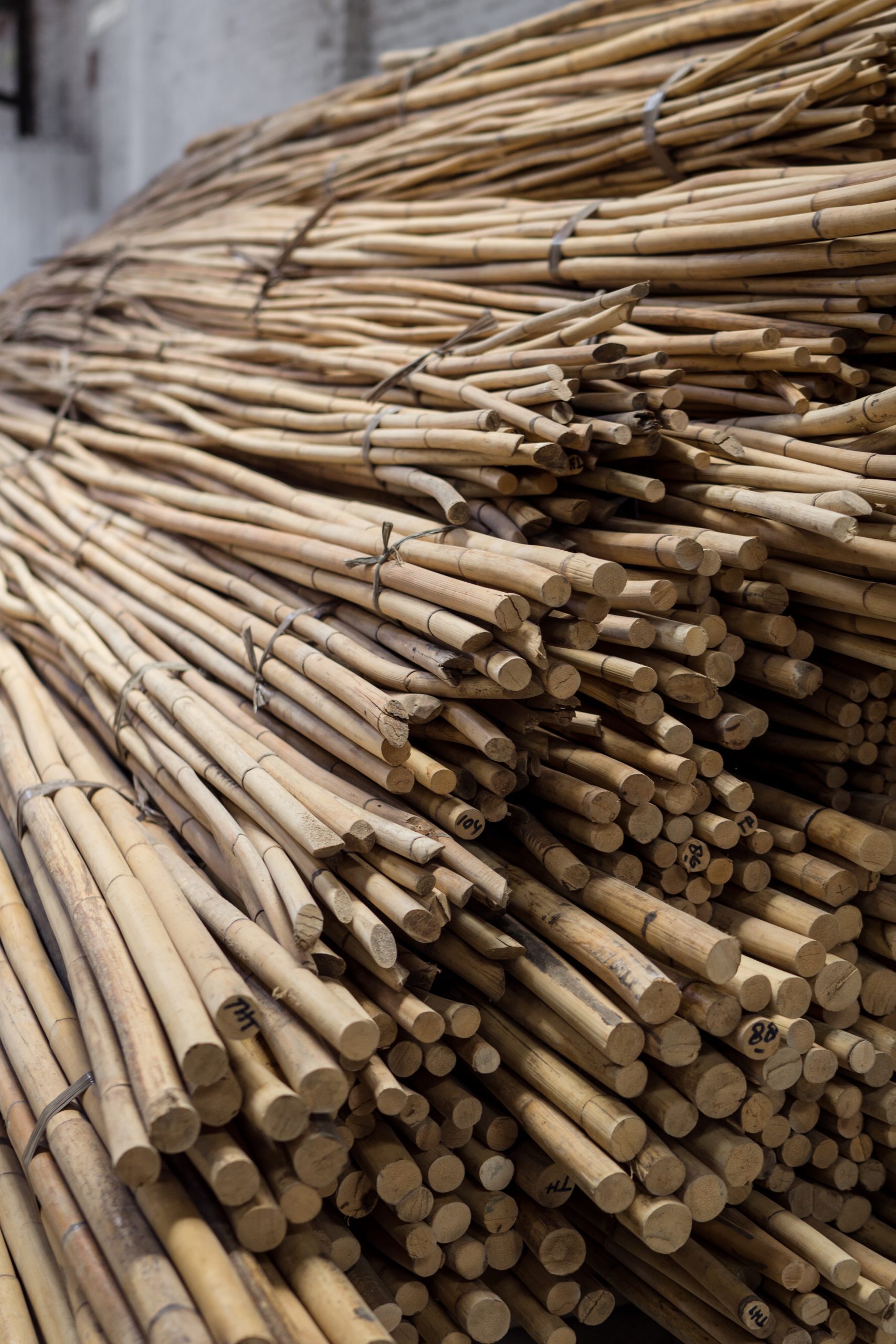
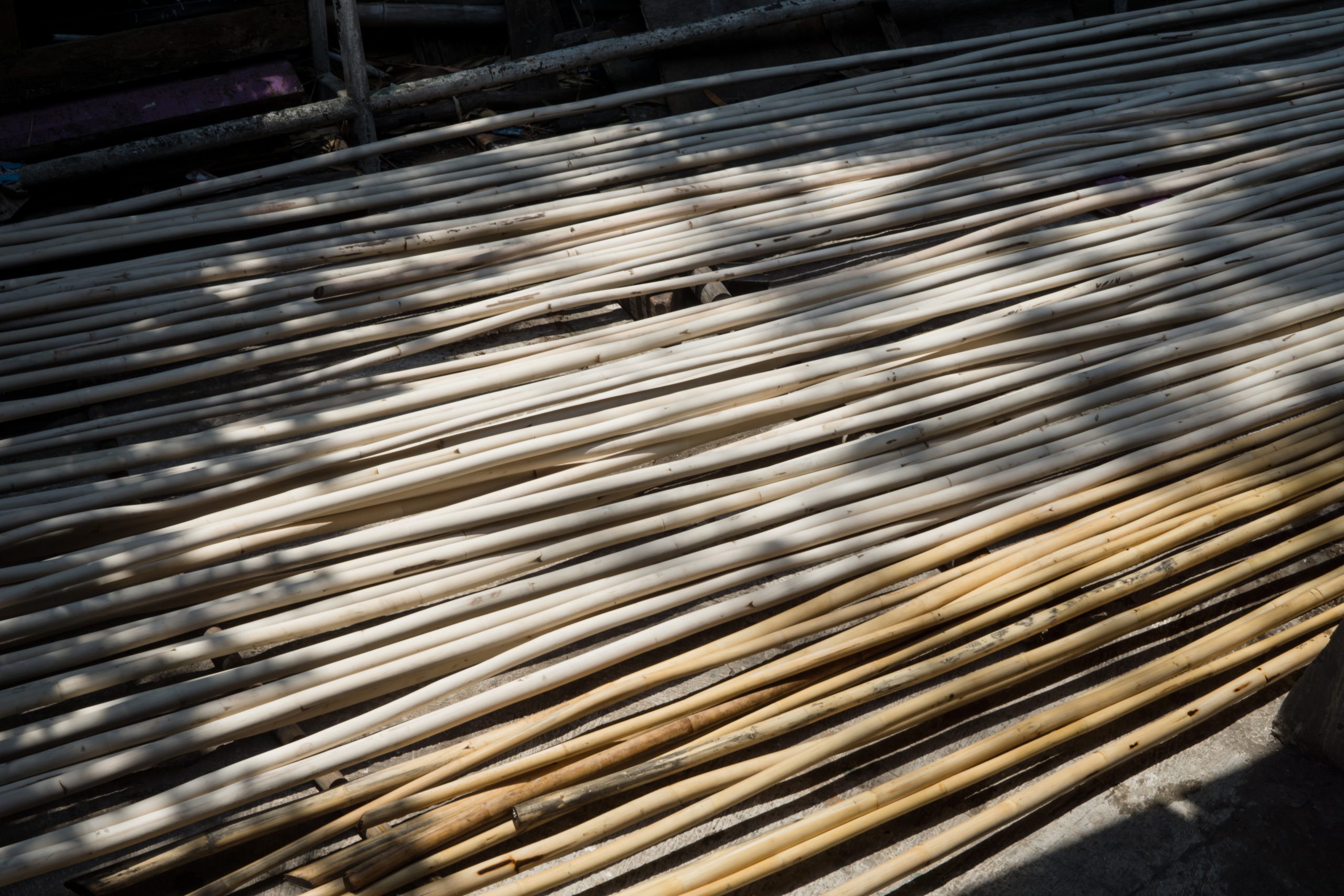
Ongoing innovation in rattan processing remains a priority, in response to an ever evolving market demands. Both industry players and craftsmen are compelled to creatively introduce novel, distinctive and marketable items. Popular items such as rattan chairs, tables, and decorative pieces come in a myriad of designs to cater to diverse consumer preferences, preventing saturation in the market




 EN
EN  ID
ID